 JOA Mom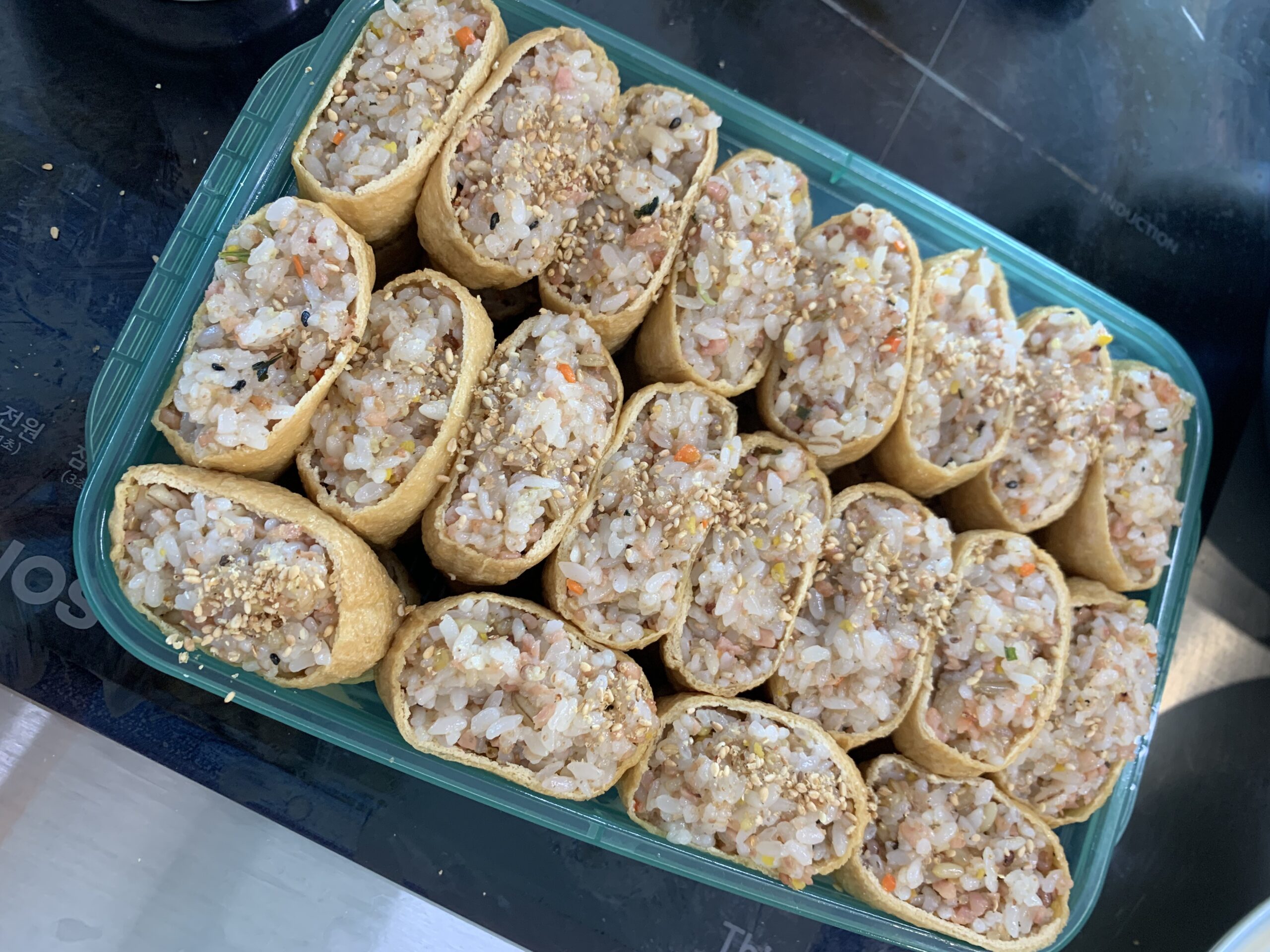
Introduction
If you’re looking for a simple yet heartfelt meal, this yubu chobap recipe is one of the best choices you can make at home. 😊
When you fill triangle or square-shaped tofu pockets with seasoned rice and arrange them nicely, it becomes a visually pleasing dish that’s just as enjoyable to look at as it is to eat. In Korea, yubu chobap is a classic menu often prepared for school picnic days or family outings. It’s simpler than kimbap but just as satisfying, with its slightly sweet and tangy flavor that really stimulates the appetite. 🧺
For many Koreans, this dish carries precious childhood memories—almost everyone has their own nostalgic story involving a colorful yubu chobap lunchbox. From a mom’s perspective, this recipe is especially great because it’s easy to make, highly customizable, and perfect for kids to eat with their hands—meaning less mess and more smiles. 💛
If kimbap feels a bit challenging for a quick morning, I highly recommend trying this yubu chobap recipe first!
Nutrition / Why this combo
At first glance, yubu chobap may seem like a high-carb dish because of the rice. However, depending on the ingredients you add to the filling, it can actually be a well-balanced meal containing carbohydrates, protein, and healthy fats. 🍚
The tofu pockets themselves provide plant-based protein, and when you mix in beef and vegetables, you naturally add iron, fiber, and essential nutrients without making the dish complicated. In Korea, many families use a “fried rice-style” filling with finely chopped vegetables and protein so everything blends evenly. 🥕
Recently, tofu-filled yubu chobap has also become popular as a diet-friendly option, especially among people following low-carb or keto-style meals. While yubu chobap originates from Japanese inarizushi, Koreans perceive it a bit differently—more like a generously filled, kimbap-style dish.
Today, I’ll show you the classic Korean-style version using beef and vegetables, which is my go-to yubu chobap recipe for family meals. 🍱
Cooking Tip
The most important tip is to be gentle when squeezing the tofu pockets—pressing too hard can tear them easily.
For adults, simply squeezing out the excess liquid is enough. But if you’re making this for babies or toddlers on a low-sodium diet, briefly blanch the tofu pockets in boiling water for about 30 seconds to reduce the salt content. 👶
Also, when mixing the rice, gently fold rather than pressing it down. This keeps the texture soft and prevents the filling from becoming mushy.
Ingredients
🍚 Rice
- 300 g warm cooked rice
🟫 Yubu (tofu pockets)
- 10–12 pieces
🥕 Fillings
- 30 g carrot (finely chopped)
- 30 g mushroom (finely chopped)
- 60 g ground beef
🧂 Seasoning
- 2 tbsp sushi vinegar
- 1 tbsp soy sauce
- 1 tbsp allulose
5 Simple Steps
1️⃣ Prepare the ingredients
Finely chop the beef, carrot, and mushroom. The smaller the pieces, the better they blend into the rice, making it easier for kids to eat. 🔪
2️⃣ Cook the filling
Cook the chopped beef and vegetables in a pan until fully done. Then add soy sauce and allulose, and stir-fry until the moisture is reduced. 🍳
3️⃣ Mix with rice
Add the cooked filling to warm rice and mix gently so the texture stays light. 🥄
4️⃣ Add sushi vinegar
Mix in the sushi vinegar and let the rice cool slightly before handling. 🍚
5️⃣ Stuff the tofu pockets
Open the tofu pockets carefully, fill them with the rice mixture, and shape them gently into neat pieces. ✨
JOA Mom’s Experience
This is one of those meals I make when I’m completely exhausted but still want to serve something homemade. 😅
My first child loved the slightly sweet tofu pockets right away, and since it’s a hand-held food, there’s much less mess—which makes things so much easier. I’ve also noticed that when vegetables are finely chopped and mixed into the rice, kids don’t try to pick them out. 💛
This is also one of the meals that works surprisingly well during picky eating phases. I pack it for daycare or outings often because it holds its shape and looks like I put in more effort than I actually did. 🎒
FAQ
Q. Can I make this yubu chobap recipe ahead of time?
A. Yes, but it tastes best when eaten on the same day.
Q. What vegetables work best?
A. Carrot and mushroom are recommended, but you can use any vegetables you prefer. 🥕
Q. Do I have to use sushi vinegar?
A. You can skip it, but it helps create the signature sweet and tangy flavor.
Storage
🧊 Refrigerator
Store in an airtight container and consume within 24 hours.
❄️ Freezer
Not recommended, as the texture will change.
🔥 Reheating
No reheating needed—best served at room temperature.
Closing
This is honestly one of those recipes I always keep in my back pocket.
It’s simple, reliable, and most kids tend to enjoy it without much resistance.
On busy days, it’s usually the first thing that comes to mind because it doesn’t require much effort.
If you blanch the tofu pockets, it can even work as a low-sodium option for younger kids.
What I like most is how flexible it is—you can use whatever ingredients you already have at home.
It’s also a great way to sneak in vegetables without turning mealtime into a struggle.
The slightly sweet tofu really helps with picky eaters, which makes a big difference.
Once you add this to your routine, you’ll probably find yourself making it more often than you expected.
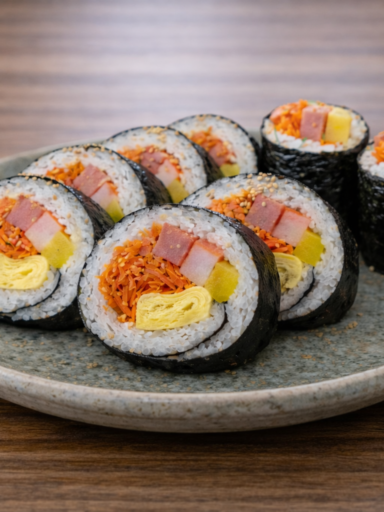
If this felt easy, you might want to try making kimbap next—it’s a great step up from here.
I actually rotate between the two quite often depending on how much time I have.
If you’re planning a simple outing this week, packing yubu chobap and kimbap together makes a really nice lunchbox. It just feels a little more special without adding extra work. ✨