 JOA Mom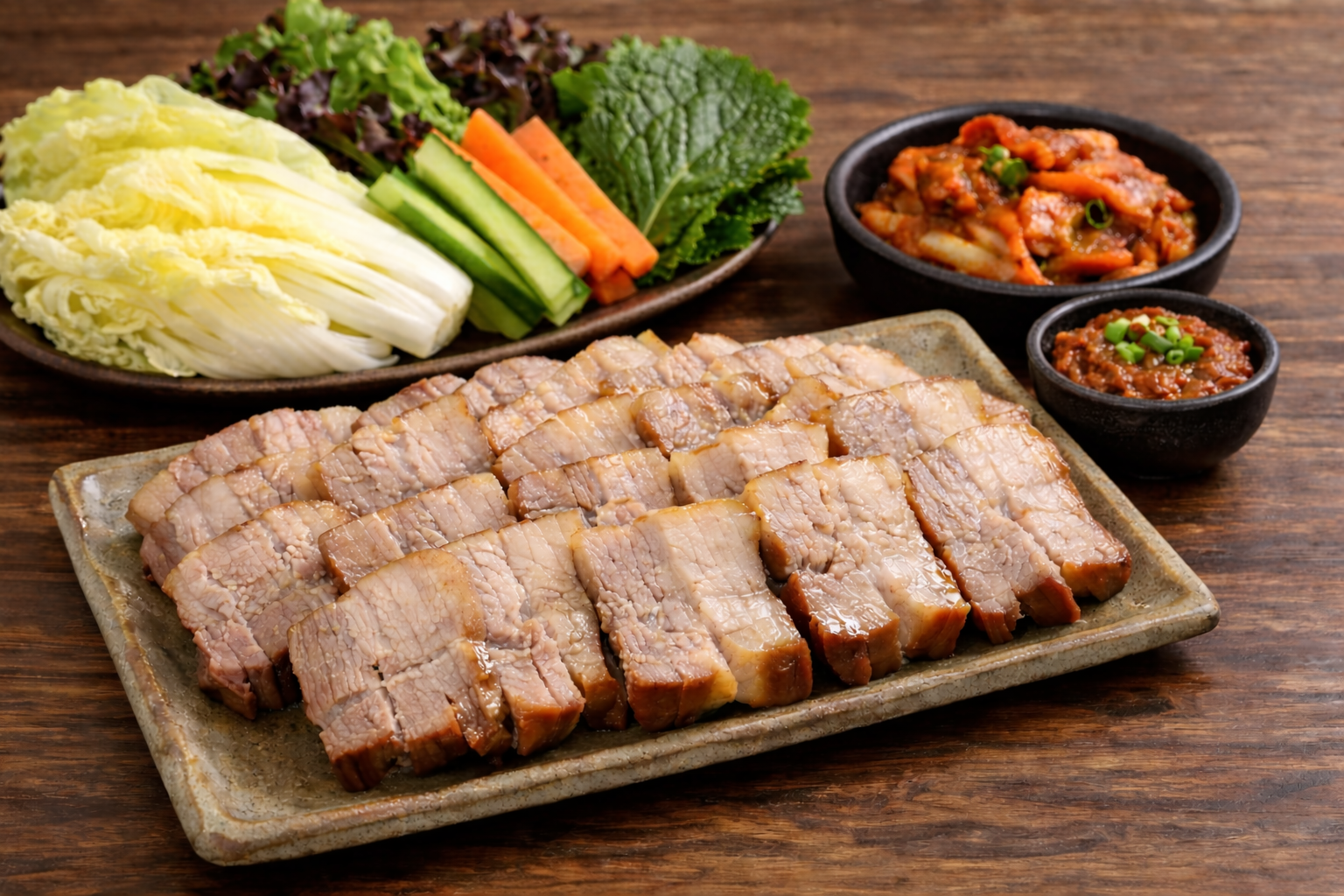
🥢 Introduction
Are you looking for a healthy, protein-packed, and authentic Korean meal that’s surprisingly easy to make at home? Let me introduce you to Bossam, one of Korea’s most beloved comfort dishes.
Bossam is traditionally made by gently boiling pork with aromatic ingredients until the meat becomes incredibly tender, juicy, and flavorful. Unlike fried pork dishes, boiling helps render out some excess fat during cooking, making it a lighter option depending on the cut you choose.
Whether you’re living in the US, Europe, or anywhere else, this recipe is a delicious way to enjoy Korean flavors using ingredients you can easily find at most local grocery stores. This bossam recipe is a simple way to enjoy authentic Korean boiled pork at home in just five easy steps. 🧑🍳
🌟 Why Bossam Is Loved Around the World
The global rise of K-food isn’t only about bold flavors — it’s also about balance. Bossam is a great example of a Korean dish that delivers high-quality protein and essential B vitamins while using a simple cooking method.
According to the Dietary Guidelines for Americans 2025–2030, a healthy eating pattern includes choosing nutrient-dense protein foods while being mindful of saturated fat intake.
📊 Nutritional Profile: Why Bossam Is a Healthy Choice
| Component | Benefit | Why It Matters |
|---|---|---|
| High-Quality Protein | Muscle Maintenance | Essential for repair and sustained energy levels |
| Vitamin B12 & Zinc | Immune & Nerve Health | Supports cognitive function and immune system strength |
| Boiling Method | Fat Reduction | Helps render out excess saturated fats compared to frying |
| Fresh Wraps | High Fiber | Served with cabbage or lettuce to support digestion |
Bossam fits beautifully into these guidelines, especially when prepared with leaner cuts like pork shoulder and served with fresh vegetables.
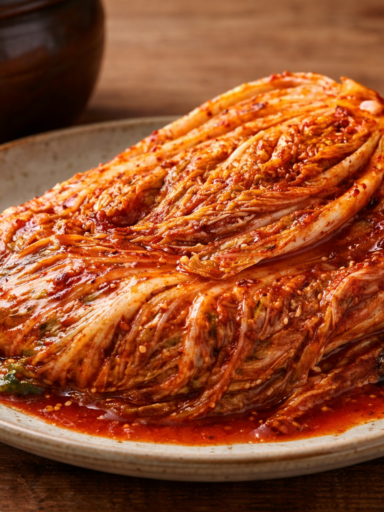
In Korea, bossam is traditionally enjoyed with napa cabbage wraps and fermented sides like kimchi, creating a balanced meal that combines savory richness with refreshing crunch.
🍳 Cooking Tip: Choosing the Right Pork Cut
One of the biggest secrets to making great bossam at home is choosing the right cut of pork.
Traditional bossam is made with pork belly, which creates a rich and juicy flavor due to its higher fat content. However, if you prefer a lighter version, pork shoulder (pork butt) works beautifully and is often easier to find at Western grocery stores.
Another helpful tip is to let the pork rest for a few minutes before slicing. This allows the juices to redistribute throughout the meat, resulting in more tender and flavorful bossam slices.
🛒 Ingredients
🍖 The Pork
-
2 lbs pork belly (traditional option)
or -
2 lbs pork shoulder / pork butt (leaner option)
💡 Pork shoulder is easy to find at stores like Walmart, Safeway, or Costco and works very well for beginners.
🌿 Aromatics for Boiling
-
1 large onion
-
2–3 green onions (white parts)
-
10 cloves garlic
-
1 inch fresh ginger
🧂 Flavor Boosters
-
1 tbsp doenjang (Korean soybean paste)
-
3–4 bay leaves
-
10 whole black peppercorns
💧 Cooking Liquid
-
8–10 cups water (enough to fully submerge the pork)
🥬 For Serving
-
napa cabbage leaves
-
lettuce
-
fresh vegetables or pickles
-
ssamjang or sesame oil dipping sauce
👩🍳 5 Simple Steps to Make Easy Korean Boiled Pork (Bossam)
1️⃣ Prep and Clean the Pork
Rinse the pork under cold water and pat it dry. If you are using a large slab of pork belly, cut it into blocks about 2–3 inches wide so the meat cooks evenly.
2️⃣ Build the Aromatic Broth
In a large pot, add water, onion, green onions, garlic, ginger, doenjang, bay leaves, and peppercorns.
Bring everything to a boil over high heat. The doenjang adds deep savory flavor and helps remove unwanted pork odors.
3️⃣ Boil and Simmer Until Tender
Carefully place the pork into the boiling broth.
Boil uncovered for about 10 minutes, then reduce the heat to medium-low and simmer for 40–50 minutes.
The pork is fully cooked when it reaches an internal temperature of 145°F (63°C) before resting.
4️⃣ Let the Meat Rest
Turn off the heat and allow the pork to sit in the warm broth for about 5–10 minutes.
This resting step helps keep the meat juicy and prevents it from drying out when sliced.
5️⃣ Slice and Serve Korean-Style
Remove the pork from the broth and slice it into ¼-inch thick pieces.
Serve with napa cabbage leaves, lettuce, and ssamjang. Bossam is traditionally eaten by wrapping pork and vegetables together in a cabbage leaf.
Your homemade bossam recipe is now ready to enjoy!
💛 JOA Mom’s Experience
The first time I made bossam at home, I was honestly surprised by how simple the process actually was.
Once the pork started simmering with garlic, onion, and doenjang, the kitchen filled with that comforting Korean home-cooking aroma.
In our home, bossam often becomes a weekend family meal. Everyone gathers around the table building their own cabbage wraps, adding pork, vegetables, and sauce one bite at a time.
It’s one of those meals that naturally brings people together. 💛
❓ FAQ
Q. Can I find pork cuts at a regular US supermarket?
A. Yes. Pork belly is common at Costco or Asian markets, but pork shoulder is widely available at Walmart, Safeway, and most grocery stores.
Q. What if I don’t have doenjang?
A. Doenjang provides the most authentic flavor, but you can substitute it with a small pinch of salt and a splash of soy sauce.
Q. How do I slice bossam properly?
A. Let the pork rest first, then slice against the grain into thin pieces to keep the meat tender.
🧊 Storage
🥶 Refrigerator:
Store leftover pork in an airtight container with a little broth for up to 3 days.
❄️ Freezer:
Bossam can be frozen for up to 1 month.
🔥 Reheating Tip:
Warm the pork gently with a spoonful of broth to keep it moist.
✨ Closing: A Classic Korean Comfort Dish
Bossam proves that simple cooking methods can create incredibly satisfying meals.
With just a few ingredients and a gentle simmer, you can recreate this authentic Korean boiled pork dish at home.
Whether you serve it with cabbage wraps, fresh vegetables, or kimchi, bossam is always a comforting meal meant to be shared.
If you want to create the ultimate Korean pairing for your bossam, don’t miss my Easy Guide to Making Real Food Kimchi at Home.