 JOA Mom
Introduction
Hi, I’m JOA Mom — a mom of two little girls in Korea. 👩🍳💛
Starting solids can feel overwhelming. I remember holding that tiny spoon and wondering, “Am I doing this right?” This Korean baby food guide was created to make the process calmer, clearer, and more structured for parents around the world.
In Korea, baby food is called I-yu-sik (이유식). It follows a thoughtful, stage-based system focused on:
✨ Iron-rich first foods
✨ Balanced nutrition
✨ Texture progression
✨ Gentle digestion
And surprisingly, this traditional method aligns closely with modern global pediatric recommendations. This Korean baby food guide is meant to serve as a complete starting point before moving into detailed recipes. Before jumping into recipes, let’s understand the philosophy behind it.
What Is Korean Baby Food? (Complete Guide for Beginners)
Korean baby food centers around rice-based porridge (Juk) and gradually introduces protein and vegetables in textures that evolve with your baby’s development.
Unlike many Western approaches that begin with fruit purées, traditional Korean weaning usually starts with:
🥣 Plain rice porridge
🥩 Early introduction of iron-rich beef (Sogogi)
🥕 Gradual texture development
It’s not just about flavor — it’s about readiness.
With my second daughter, I learned that texture mattered more than quantity. When the consistency matched her stage, she ate confidently. When it didn’t, she pushed the spoon away immediately. 😅
That experience is exactly why I structured this Korean baby food guide this way.
Global Standards & Korean Baby Food
Many parents ask whether Korean-style weaning follows international health standards.
According to the World Health Organization (WHO), complementary feeding should begin around 6 months when breast milk alone is no longer sufficient.
Traditional Korean weaning naturally aligns with this principle.
Here’s how:
✔ Starting Around 6 Months
Most Korean families begin around 180 days, watching for readiness signs.
✔ Prioritizing Iron
Beef is introduced early to help prevent iron deficiency.
✔ The 3-Day Rule
New ingredients are introduced one at a time over three days to monitor allergies.
In many ways, Korean culinary wisdom has long followed what global pediatric experts recommend. 🌿
Korean Baby Food Guide: 3 Development Stages
Every baby develops differently, but Korean weaning traditionally follows three texture-based stages.
1️⃣ Early Stage (4–6 Months)
Frequency: Once per day
Texture: Very thin and smooth (almost soup-like)
Goal: Gentle introduction
This stage begins with Mium (미음) — a silky rice porridge. If you are just starting, begin with:
👉 How to Make Plain Rice Porridge (Ssal-Mium)
All Korean baby food builds from this foundation. 🥣 At this stage, don’t focus on volume. Focus on familiarity.
2️⃣ Middle Stage (7–9 Months)
Frequency: Twice per day
Texture: Fine minced bits (about half a grain of rice size)
Goal: Chewing practice
Protein and vegetables are finely chopped and mixed with rice. When my baby began teething, I slowly increased texture — not by calendar, but by confidence. 👶✨
3️⃣ Late Stage (10–12 Months)
Frequency: Three times per day
Texture: Soft, small chunks (about fingernail size)
Goal: Transition to family meals (low-sodium)
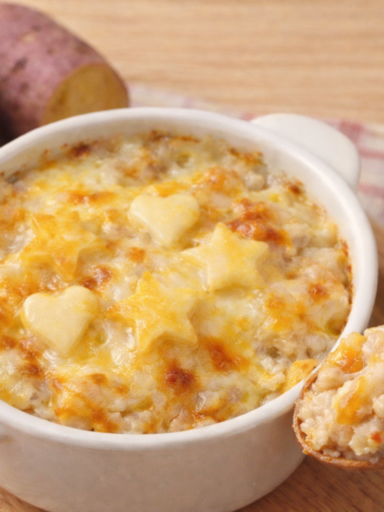
Rice gradually shifts from porridge to soft sticky rice (Jin-bap). This stage builds independence. 🥰
💡 JOA Mom Tip:
Offer soft steamed vegetable sticks around this stage. Let babies explore food with their hands — it supports coordination and sensory development.
Understanding these stages clearly is one of the core purposes of this Korean baby food guide.
Juk vs. Topping-Style: Two Core Methods
Modern Korean baby food typically follows one of two methods.
🥄 Option 1: Juk (Traditional Porridge)
All ingredients are cooked together in one pot.
Why parents like it:
✔ Easy digestion
✔ Smooth texture
✔ Convenient batch cooking
The downside?
Flavors blend together, which may slow ingredient recognition.
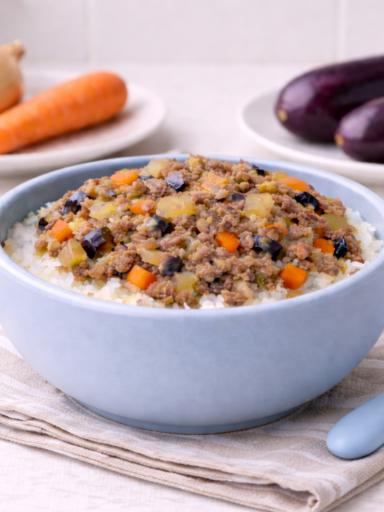
🍚 Option 2: Topping-Style (Modern Method)
A rice base is served with protein and vegetables placed separately on top.
Why many Korean moms prefer it:
🌈 Babies see each ingredient clearly
🥕 Flavors stay distinct
⚖ Ratios can be adjusted per bite
It requires more preparation, but offers flexibility.
Personally, I started with Juk and transitioned to topping-style as chewing improved. You can mix both methods comfortably. 💛
The “Cube System” (Real Korean Mom Secret)
Ask any Korean mom how she manages daily baby meals, and you’ll likely hear one word: cubes.
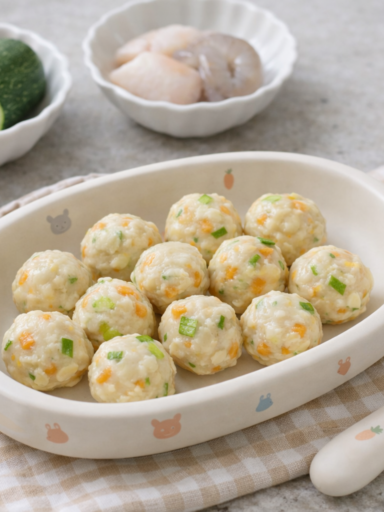
Ingredients are steamed, minced, and frozen in silicone trays.
At mealtime:
Rice base + 1 protein cube + 1–2 vegetable cubes = balanced meal in minutes.
It saves time.
It saves energy.
It protects your sanity. 😌
Core Nutrition Philosophy of Korean Baby Food
At its heart, Korean baby food focuses on balance:
Carbohydrates + Protein + Vegetables
Each meal typically includes:
🍚 Rice (sometimes mixed with oats or barley)
🥩 High-quality protein
🥬 Seasonal vegetables
Including protein in nearly every meal is one defining feature of Korean baby food.
The structure explained in this Korean baby food guide helps parents build balanced meals with confidence.
FAQ
Q. When should I start Korean-style baby food?
A. Most families begin around 6 months (180 days), but always consult your pediatrician and watch for readiness cues.
Q. Can I mix Juk and topping-style methods?
A. Absolutely. Many parents transition gradually between the two methods.
Q. Is Korean baby food healthy?
A. It emphasizes iron-rich ingredients, balanced nutrition, and progressive textures — aligning well with modern pediatric guidance.
I hope this Korean baby food guide makes your weaning journey feel less stressful and more structured.
Ready to Start Your Journey?
Start simple.
Start gentle.
Start with rice. 🥣
👉 How to Make Plain Rice Porridge (Ssal-Mium)
From that first spoonful, everything builds naturally. You’re doing better than you think. 💛🌸